The critical role of medical-grade testing and ultrasound in your next steps
Finding out you might be pregnant can bring a mix of emotions: shock, fear, hope, confusion, or even excitement. Many women first turn to at-home pregnancy tests, and while those can be helpful, they are only the first step, not the final answer.
If you think you might be pregnant, getting medical confirmation through a medical-grade pregnancy test and ultrasound is one of the most important decisions you can make for your health and your future.

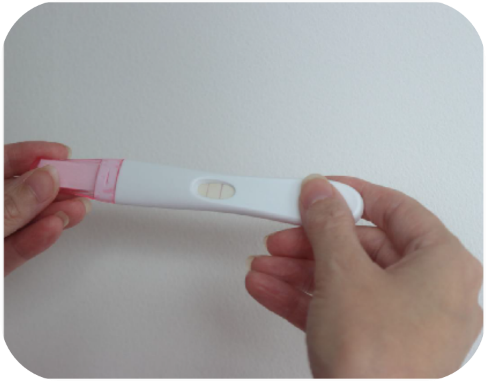
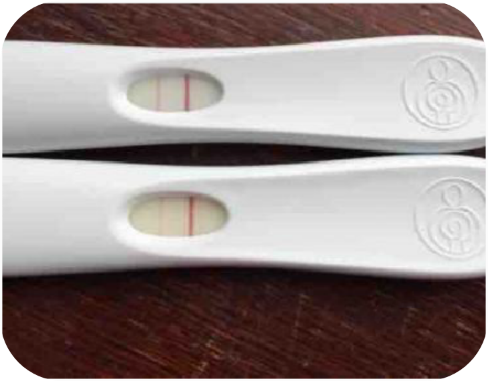
At-home pregnancy tests work by detecting a hormone called hCG (human chorionic gonadotropin). While they are widely available and easy to use, they are not always definitive.
Here’s why:
That means even if you get a positive result, there are still critical unknowns.

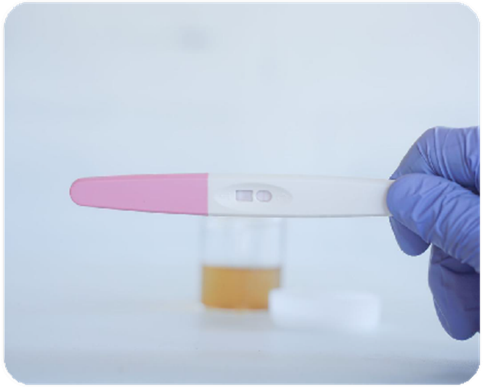

A medical-grade pregnancy test is administered in a clinical setting and offers:
But even this is only part of the picture.
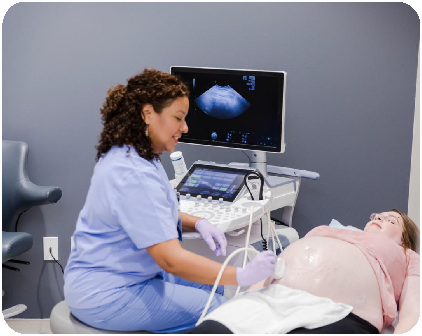
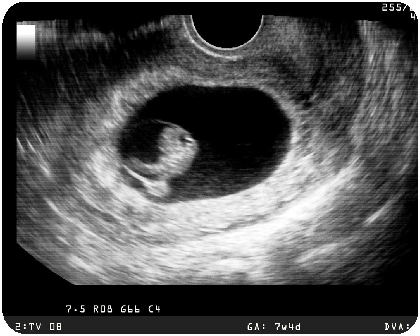

An ultrasound is the only way to confirm key details about your pregnancy that no test can reveal.
An ultrasound confirms whether the pregnancy is inside the uterus.
Without an ultrasound, this condition may go unnoticed.
Not all pregnancies progress. An ultrasound can detect:
This information is crucial before making any decisions.
Knowing how many weeks pregnant you are affects:
Dates based on your last menstrual period can sometimes be inaccurate. Ultrasound provides a clearer picture.
An ultrasound can reveal:
An ultrasound can sometimes identify:



Before making any decision about your pregnancy, you deserve complete and accurate information.
Without medical confirmation:
You deserve:
Medical-grade testing and ultrasound provide the facts you need to move forward with confidence.
A home pregnancy test can tell you something, but it cannot tell you everything.
A medical-grade pregnancy test confirms the possibility. An ultrasound confirms the reality.
Taking that next step is not just about information. It’s about your health, your safety, and your future.
If you think you might be pregnant, don’t walk through it alone. Reach out to a trusted medical provider or pregnancy center near you to get the answers you need in a safe, confidential, and supportive environment.

Office Hours:
Monday 10:00am - 5:30pm
Tuesday 9:00am - 5:00pm
Wednesday 10:00am - 4:30pm
Copyright © 2026 Options Pregnancy Center.
All rights reserved.
Presented By Innovative Direct Marketing.